-
 play_arrow
Urban Radio 945 Music, Talk, Sports
music_note


Ebola Awareness & Safety Guide: Comprehensive Public Health Advisory
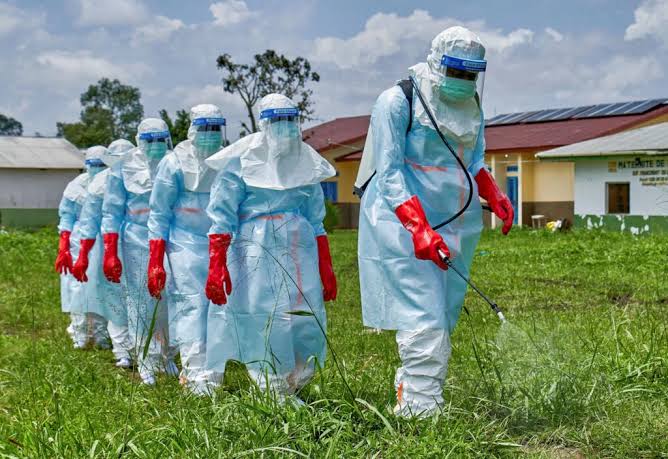
A comprehensive public health guide on Ebola Virus Disease (EVD). Learn about symptoms, modes of transmission, essential prevention protocols, and critical emergency action steps to protect yourself and your community.
Ebola Virus Disease (EVD)—formerly known as Ebola hemorrhagic fever—is a rare, severe, and often fatal illness in humans caused by infection with one of the Ebola virus species.
Because EVD carries a high case fatality rate if left untreated, early detection, strict adherence to hygiene protocols, and rapid public health response are essential to breaking chains of transmission and protecting communities.
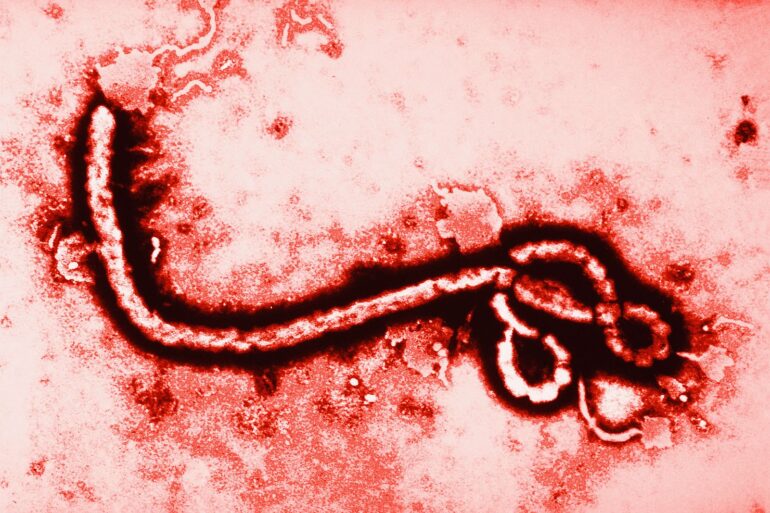
How Ebola Spreads (Modes of Transmission)
Understanding how the virus spreads is key to effective prevention. Ebola is not typically spread through airborne droplets like the flu or COVID-19. Instead, transmission occurs through:
-
Direct Contact: Contact through broken skin or mucous membranes (eyes, nose, mouth) with the blood, secretions, organs, or other bodily fluids (saliva, sweat, vomit, feces, urine, semen, breast milk) of an infected person who is currently showing symptoms.
-
Contaminated Materials: Contact with surfaces, clothing, bedding, or medical equipment contaminated with infected fluids.
-
Unsafe Burial Practices: Touching or handling the body of a person who has died from Ebola. Deceased bodies retain high viral loads and remain extremely infectious.
-
Zoonotic Transmission: Contact with infected wild animals, such as fruit bats, monkeys, apes, or forest antelopes (e.g., through hunting, handling, or consuming undercooked bushmeat).
Key Symptoms to Watch For
The incubation period—the time from initial exposure to the onset of symptoms—ranges from 2 to 21 days. A person infected with Ebola cannot spread the virus until they develop symptoms.
Early Symptoms (Initial Stage)
-
High fever
-
Severe headache
-
Muscle aches and joint pain
-
Extreme fatigue and weakness
-
Sore throat
Advanced Symptoms (Progressive Stage)
-
Vomiting and persistent diarrhea
-
Abdominal/stomach pain
-
Unexplained rash
-
Impaired kidney and liver function
-
Internal and external bleeding (e.g., bleeding from gums, blood in stool or vomit)
Core Prevention Guidelines: Dos and Don’ts
To safeguard your household and community, follow these core preventive measures:
DO:
-
Maintain Strict Hand Hygiene: Wash hands frequently with clean water and soap, or use an alcohol-based hand sanitizer (60%+ alcohol content).
-
Monitor Health: Regularly watch for symptoms if you have traveled to or resided in an area with an active outbreak, or had potential exposure.
-
Seek Immediate Medical Guidance: Reach out to designated public health authorities at the first sign of symptoms or confirmed exposure.
-
Support Verified Information: Rely on and share official updates from verified public health agencies (e.g., WHO, NCDC, CDC).
DON’T:
-
Avoid Direct Contact: Never touch the blood, vomit, or body fluids of anyone suspected or confirmed to have Ebola.
-
Do Not Touch Deceased Bodies: Refrain from participating in traditional burial rites that involve touching or washing the body of a deceased person who may have had Ebola.
-
Do Not Delay Reporting: Never hide symptoms or hesitate to notify health officials out of fear or stigma.
-
Reject Stigmatization: Do not stigmatize survivors, affected families, or healthcare workers. Stigma discourages people from seeking timely care.
What to Do If You Suspect Ebola Exposure
If you suspect that you or a family member has been exposed to the virus—even if symptoms have not yet appeared—take the following immediate steps:
-
Isolate Immediately: Limit physical contact with family members and community members to prevent potential viral spread.
-
Call Before Visiting a Health Facility: Contact national or local public health emergency hotlines prior to traveling to a clinic or hospital. This allows healthcare personnel to prepare safe isolation areas and personal protective equipment (PPE).
-
Report Exposure Early: Notify public health teams about potential exposures promptly. Early contact tracing saves lives.
-
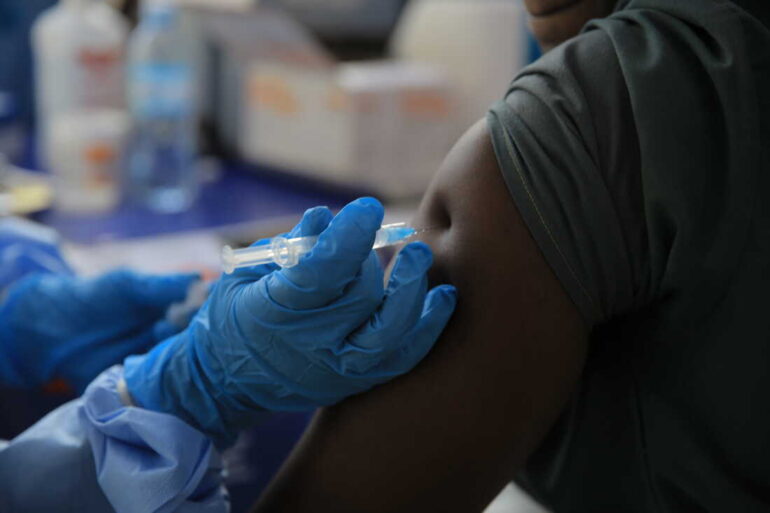
Cooperate fully with Public Health Teams: Follow guidance regarding quarantine, safe transport, testing, and potential vaccination programs (such as ring vaccination).
-


Post comments (0)