-
 play_arrow
Urban Radio 945 Music, Talk, Sports
music_note


INEC Deploys AI for 2027 Result Verification as Experts Warn of Manipulation Risks
INEC is integrating artificial intelligence for anomaly detection and result verification ahead of Nigeria’s 2027 elections, as democracy watchdogs and tech experts warn against deepfakes, voter manipulation, and system opacity.
The Independent National Electoral Commission (INEC) has embarked on the deployment of Artificial Intelligence (AI) tools aimed at detecting discrepancies in election result sheets and optimizing election logistics ahead of the 2027 general elections.
However, the technological leap has sparked intense debate among civil society organizations, legal experts, and cybersecurity analysts. While the election management body seeks to eliminate human clerical errors and streamline auditing, stakeholders warn that unverified AI tools, synthetic deepfakes, and automated misinformation could be weaponized to manipulate voters and undermine public trust.
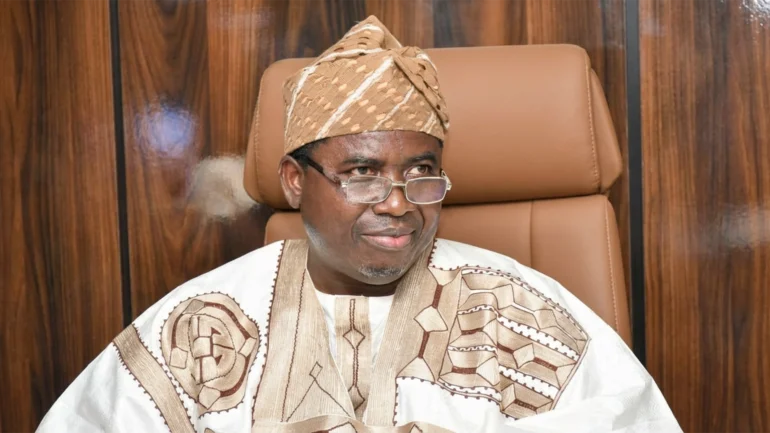
INEC’s Technological Push: Anomaly Detection and Efficiency
According to statements from INEC Chairman Prof. Joash Amupitan SAN and ICT leadership, the commission is adopting AI to enhance technical, logistical, and auditing frameworks across more than 176,000 polling units nationwide:
-
Automated Result Auditing: Deploying machine learning algorithms to scan uploaded result forms, verify numerical totals, and automatically flag mathematical anomalies or altered data.
-
Predictive Logistics: Utilizing AI route optimization to ensure the timely deployment of sensitive materials and election personnel across 774 Local Government Areas.
-
Biometric & Database Integrity: Enhancing voter registry management through AI-powered deduplication and automated biometric matching.
-
Cybersecurity Defense: Implementing AI threat-detection protocols to defend commission portals and the Bimodal Voter Accreditation System (BVAS) network against malicious cyber intrusions.
INEC emphasized that AI tools will strictly act as administrative aids. “Nigerians, not algorithms, will decide winners,” Prof. Amupitan stated, reassuring the public that final tallying and declarations will remain bound by human verification and statutory legal procedures.
Experts Warn of Deepfakes, Opacity, and Public Disconnect
Despite the administrative benefits, democratic watchdogs—including Yiaga Africa and the National Information Technology Development Agency (NITDA)—have voiced strong concerns over the vulnerabilities introduced by emerging technologies ahead of the 2027 polls:
-
Deepfakes & Synthetic Misinformation: NITDA and civil society partners warned that generative AI, cloned voices, and fabricated video declarations could be used by political actors to misinform voters, create artificial confusion, or falsely announce results before official collation.
-
The “Liar’s Dividend”: Experts cautioned that widespread awareness of deepfakes could allow bad actors to dismiss authentic evidence of electoral malpractice as “synthetic or AI-generated,” further complicating legal petitions.
-
Transparency and Legal Frameworks: Legal experts stress that any AI auditing tool deployed by INEC must be fully open to scrutiny by political parties and observers. Closed-source algorithms that voters cannot understand or audit risk worsening public cynicism toward election integrity.
Civic groups are advocating for mandatory human-in-the-loop safeguards, legal transparency guidelines, and public media literacy campaigns to protect the electorate from digital manipulation.
As election management increasingly relies on sophisticated algorithms to ensure administrative accuracy, balancing technological innovation with public transparency remains a delicate task. Do you believe INEC’s adoption of AI will restore confidence in collation procedures, or does the rise of deepfakes pose a greater threat to voter trust?

Post comments (0)