-
 play_arrow
Urban Radio 945 Music, Talk, Sports
music_note


JPMorgan Deposits ₦50 Billion with CBN for Nigerian Merchant Banking License
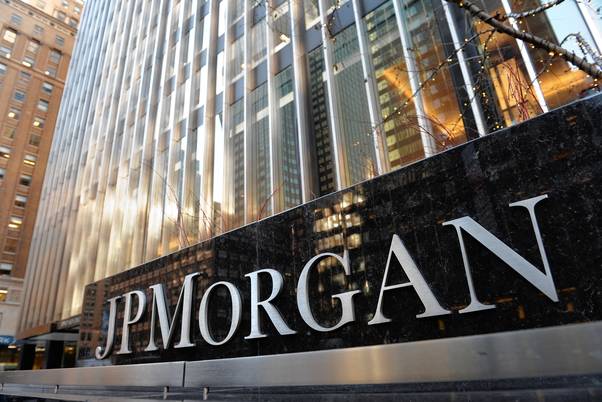
U.S. banking powerhouse JPMorgan Chase has deposited ₦50 billion ($38M) with the Central Bank of Nigeria as it clears final regulatory hurdles to launch a merchant bank before the end of 2026.
In a significant vote of confidence for Nigeria’s financial reforms, global banking giant JPMorgan Chase & Co. has deposited ₦50 billion (~$38 million) with the Central Bank of Nigeria (CBN) as part of final requirements to secure a national merchant banking license.
The strategic move—announced by Dapo Olagunju, Managing Director of JPMorgan West Africa, during the Nigeria–Asia Financial Connectivity Dialogue in Singapore—marks the lender’s transition from a representative office to a fully licensed, operational merchant bank in Nigeria by the end of 2026.

Expanding Direct Banking Capabilities
While JPMorgan has maintained a representative presence in Lagos for years, a full merchant banking license fundamentally changes its operational scope in West Africa:
-
Direct Corporate Lending: Moving beyond advisory services, the bank will now directly extend credit and debt facilities to large Nigerian corporations, conglomerates, and multinational companies.
-
Capital Markets & Underwriting: JPMorgan will participate directly in issuing corporate bonds, managing government debt instruments, and advising on major mergers and acquisitions (M&A).
-
FX & Liquidity Provisioning: The license enables deeper integration into Nigeria’s foreign exchange market, easing cross-border transactions for institutional investors and global firms operating in the country.
-
Institutional Focus Only: The bank reiterates that operations will remain strictly non-retail, focusing solely on corporate finance, institutional investors, and government entities.
Regulatory Compliance and Minimum Capital
Under the CBN’s updated financial guidelines, the minimum capital requirement for a national merchant bank stands at ₦50 billion. By transferring the full capital deposit to the apex bank, JPMorgan has cleared one of the final major hurdles required before receiving final approval.
This development follows renewed macroeconomic engagement between Nigeria and global financial institutions, aimed at improving foreign exchange liquidity, strengthening capital formation, and restoring foreign direct investment (FDI) inflows.
As Wall Street’s largest bank prepares to step onto the field with direct lending and capital market operations in Nigeria, competitive dynamics in corporate banking are set for a major shift. How do you think domestic merchant banks and tier-1 commercial lenders should adapt their corporate finance strategies to navigate increased international competition?


Post comments (0)