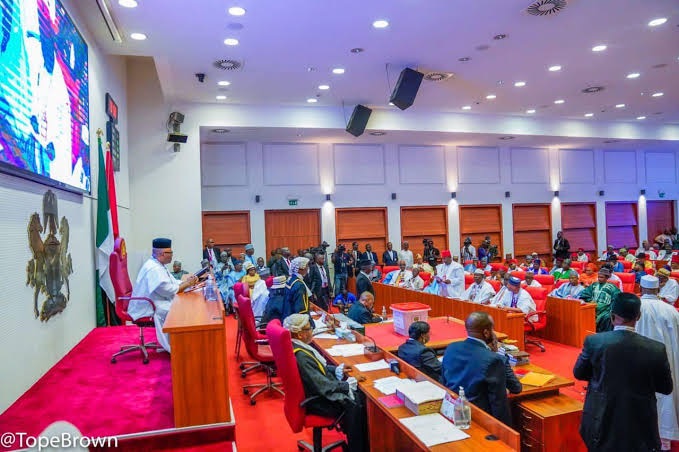
The Senate says its decision to make the electronic transmission of election results discretionary rather than mandatory in the ongoing reform of Nigeria’s electoral governance framework was guided by empirical data.
The upper chamber said the decision was based on the stark realities of the country and not on emotions or sentiment after due consultation and engagement with principal actors in the country’s communications and power sectors, among others.
Leader of the Senate, OPEYEMI BAMIDELE, clarified the position of the upper chamber through his directorate of media and public affairs, saying that law-making “comes with huge obligations globally, and the Senate cannot discharge such responsibilities to the detriment of the citizenry.”
While acknowledging that Clause 60(3) of the Electoral Bill, 2026, “is an initiative that any legislature or parliament globally will have embraced,” BAMIDELE revealed that the country’s communication and power infrastructure would not guarantee the real-time electronic transmission of election results as envisaged by some stakeholders.
He further noted that making such a provision mandatory could plunge the country into a crisis.